
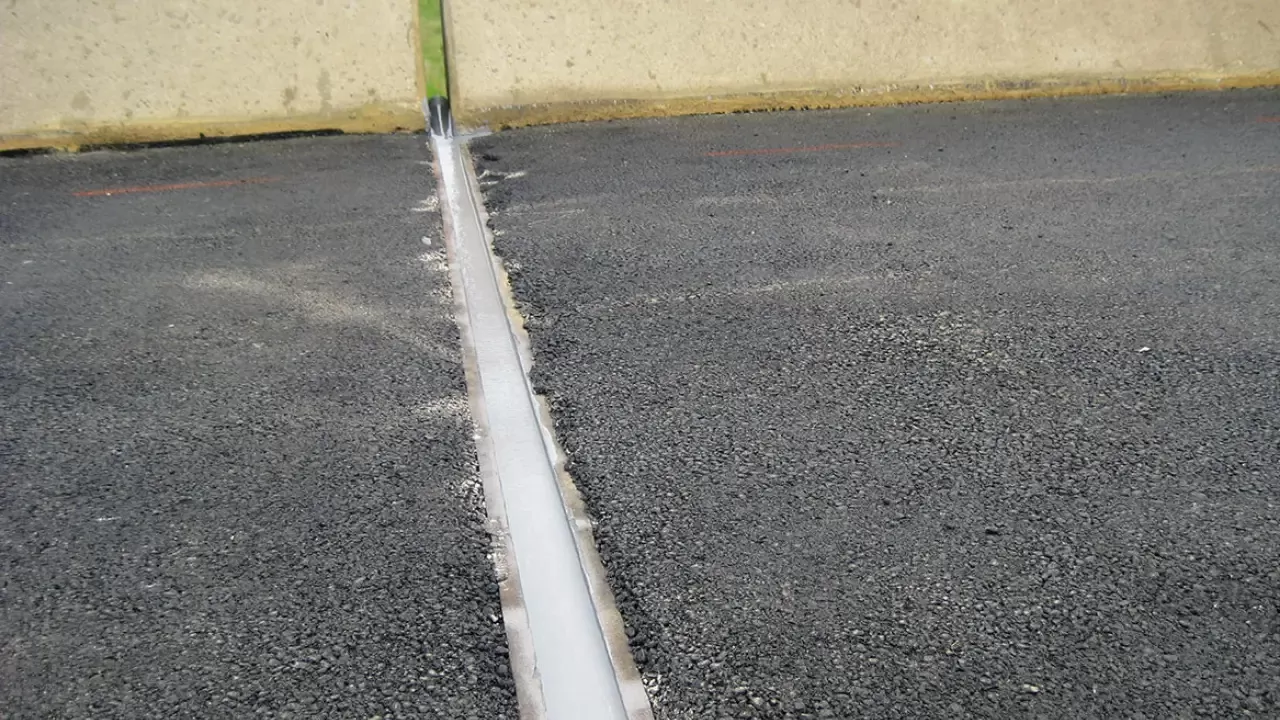
What is a Dilatation Gap?
A dilatation gap is defined as a gap or joint in different parts of a structure to allow for expansion and contraction movements. These gaps, especially in large and long structures, are designed to reduce stresses that may arise due to temperature changes, ground movements or other reasons and to prevent structural damage. Dilatation gaps are also used to solve problems arising from the fact that building materials have different coefficients of expansion. For example, concrete and steel expand and contract at different rates, so dilatation gaps are important to compensate for these differences.
Dilatation cavities are found in different parts of structures such as foundations, walls, floors and roofs. These gaps allow the structural elements to move freely, preventing the accumulation of stresses and the formation of cracks. The size and location of dilatation gaps are determined according to the size and type of the structure, regional climatic conditions and soil properties. The correct design and implementation of these gaps ensures that structures are long-lasting and safe.
Waterproofing Application to Dilatation Gaps
The application of waterproofing to dilatation gaps is of great importance to ensure the watertightness of structures and extend their lifespan. The most widely used waterproofing method is the application of dilatation tape. Dilatation tapes are usually made of rubber, PVC or bitumen-based materials and are adhered to both sides of the gap. The tapes must be flexible to adapt to the movements of the gap.
Another method is the application of sealants. Sealants are usually made of polyurethane, silicone or epoxy-based materials and are filled into the cavity. The sealants must be waterproof and flexible to adapt to the movements of the cavity.
There are some issues to be considered when applying waterproofing to dilatation gaps:
- Surface preparation: Application surfaces must be clean, dry and smooth.
- Material selection: The material to be used should be suitable for the type of structure, regional climatic conditions and ground properties.
- Application technique: Application should be made in accordance with the manufacturer’s instructions.
- Detail solutions: Continuity of waterproofing should be ensured especially at corners, joints and other details.
Waterproofing dilatation gaps is a job that requires expertise. Therefore, it is important that the application is carried out by experienced and specialized people. Incorrect applications can cause water leaks and structural damage.