
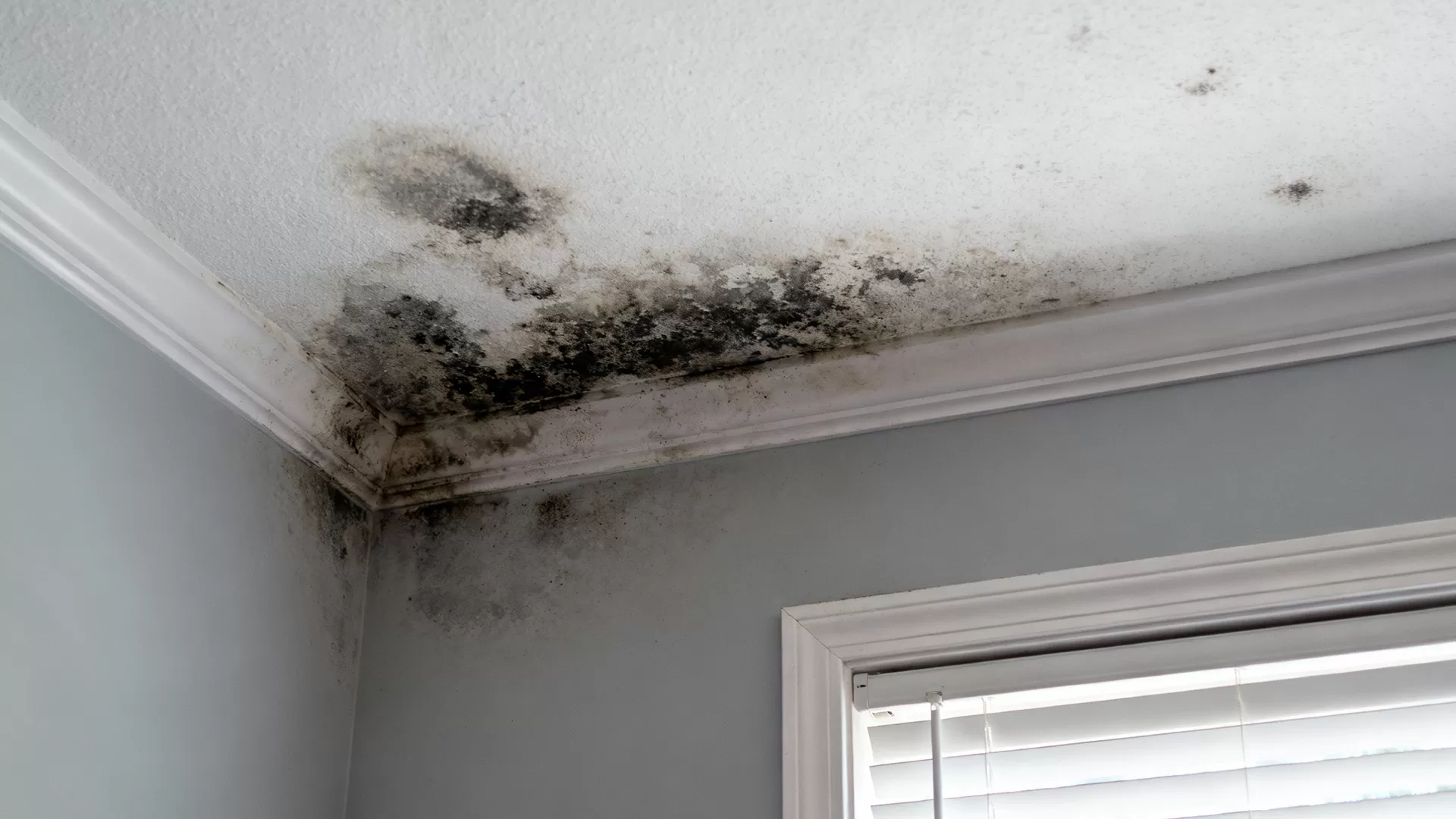
Damp spots appearing on the ceiling, blistering paint, or unpleasant odors in your home or workplace are often signs of a ceiling moisture problem — an issue frequently overlooked but extremely critical for the health of the building. This problem is not only aesthetic; it can also lead to long-term structural damage and create an unhealthy living environment. DryFiX supports both individual users and professionals with its specialized solutions against ceiling humidity.
Why Does Ceiling Moisture Occur?
A lack of ceiling waterproofing is one of the main causes of this problem. Leaks from plumbing in the upper floor, roof insulation failures, or insufficient waterproofing in wet areas such as bathrooms are the primary reasons for ceiling moisture. Especially in apartment buildings, even a small leak in the bathroom of the floor above can eventually cause mold growth, paint bubbling, and yellowing on the ceiling of the lower apartment.
Additionally, aging insulation systems or applications done without proper ceiling insulation materials can also cause the moisture problem to reoccur. DryFiX offers negative-side insulation and interior solutions for such chronic issues.
What Are the Signs of Moisture in Ceilings?
Ceiling moisture and dampness usually reveal themselves through visual clues. These include:
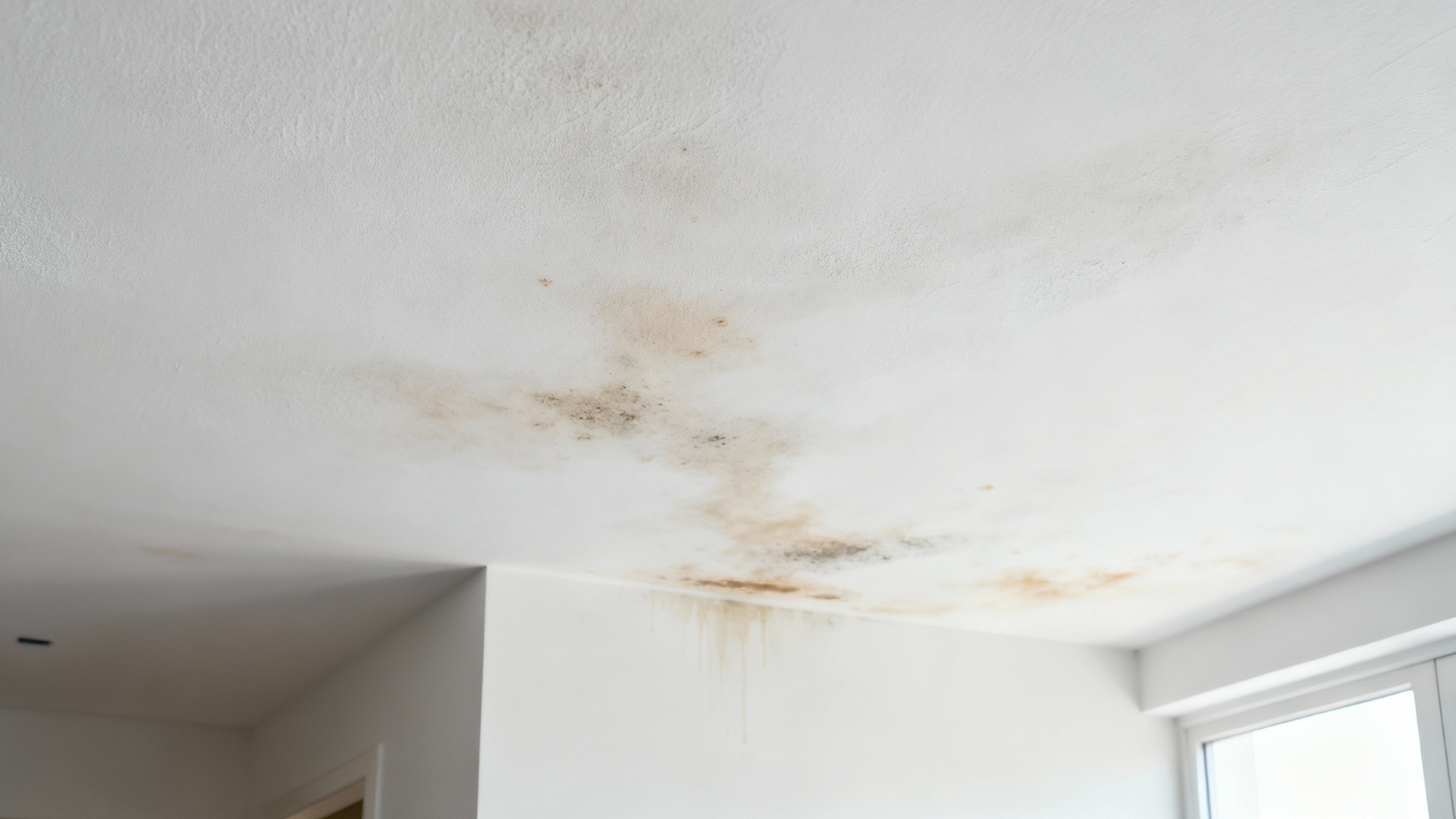
- Blistering or peeling paint
- Gray or black mold spots
- Musty, mold-like odors
- Yellowing or discoloration on the ceiling
- The surface feeling damp or soft
These signs are not only visually disturbing but can also negatively affect indoor air quality. For children, the elderly, and individuals with allergies, such conditions pose serious health risks. At this point, not just a cosmetic touch-up but a deep and permanent solution is needed. DryFiX makes permanent elimination of ceiling moisture possible with the right products and application steps.
How to Permanently Prevent Ceiling Moisture?
When addressing ceiling moisture, the main goal is not to cover the surface problem temporarily, but to reach the root cause and prevent recurrence. DryFiX adopts a professional approach to completely eliminate moisture and dampness in ceilings. Here are the 5 essential steps for a permanent solution:
1. Identifying the Source of Moisture
The first step is correctly determining where the moisture is coming from. Ceiling dampness often results from upper-floor bathroom leaks, plumbing failures, or roof seepage. Therefore, the areas above the damp surface must be carefully examined. Thermal cameras may be used if necessary.
2. Cleaning and Repairing the Surface
After identifying the problem area, the surface must be dried and any existing damage must be repaired. Loose or blistered paint layers on the ceiling should be scraped off; mold must be cleaned; and the surface should then be repaired with a structural product such as DryFiX TRACK R2.
3. Blocking Water Penetration
If the moisture source is internal, a barrier must be created to stop water infiltration. When applied to the surface, DryFiX CRYSTALLIZE penetrates the concrete and crystallizes within it, blocking the passage of water molecules. This method is highly effective on retaining walls or cracked surfaces.
4. Creating a Moisture Barrier
Once the moisture source has been cut off completely, an internal barrier must be created to prevent moisture transmission. DryFiX NM-S 10 is a breathable, moisture-resistant paint. When applied to the ceiling surface, it provides both a functional and aesthetic finish.
5. Upper Surface Waterproofing
If the moisture originates from activities on the upper floor, protection should also be applied above. In tiled areas, DryFiX GLASSY 100 can be applied without breaking the existing coating. Its transparent and durable structure provides strong waterproofing and ensures the source is completely sealed.
Preventive Measures to Stop Ceiling Moisture from Returning
Ceiling moisture is not a “fix once and forget” issue. To achieve long-term results, certain precautions must be taken after the application. DryFiX offers not only products but also sustainable insulation systems.
- Ensure that ventilation systems are functioning properly. Mechanical ventilation is especially important in steam-generating areas such as bathrooms, laundry rooms, and kitchens.
- Plumbing systems should be inspected regularly. Hidden leaks can eventually render ceiling insulation ineffective. According to waterproofing guidelines, upper-floor plumbing should be checked at least once a year.
- Water load on the insulated surface should be minimized or redirected using proper drainage systems. Ensuring that terrace or balcony drains remain unclogged prevents water accumulation.
When supported with these precautions, DryFiX ceiling insulation materials eliminate moisture problems in the long term.
When Is Professional Assistance Necessary?
Not every moisture problem has the same scale or the same source. In some cases, DIY ceiling moisture solutions may be sufficient, but in other scenarios, expert intervention is required. Professional support is recommended in situations such as:
- Mold or peeling paint spread across a large visible area
- Repeated leaks caused by plumbing or structural problems
- Moisture problems reoccurring despite previous waterproofing
- Water seepage from inter-floor joints or cold joints
The DryFiX expert team conducts on-site inspections to determine the moisture source and recommends the most suitable ceiling waterproofing system.
Frequently Asked Questions
How can ceiling dampness be removed?
The source must be identified, the surface cleaned, and the correct waterproofing system applied. With DryFiX products, step-by-step permanent solutions are achievable.
What causes mold on ceilings?
Ceiling mold forms in damp, poorly ventilated environments. Steam, leaks, and inadequate insulation are the main causes.
What is anti-damp paint, and does it work?
Moisture-resistant paints such as DryFiX NM-S 10 create a breathable barrier that prevents moisture penetration. They are not standalone solutions but complementary to a full waterproofing system.
Does ceiling moisture return?
When applied with the right products and followed by proper precautions, recurrence can be prevented. Products like DryFiX CRYSTALLIZE and GLASSY 100 ensure both internal and external waterproofing.